
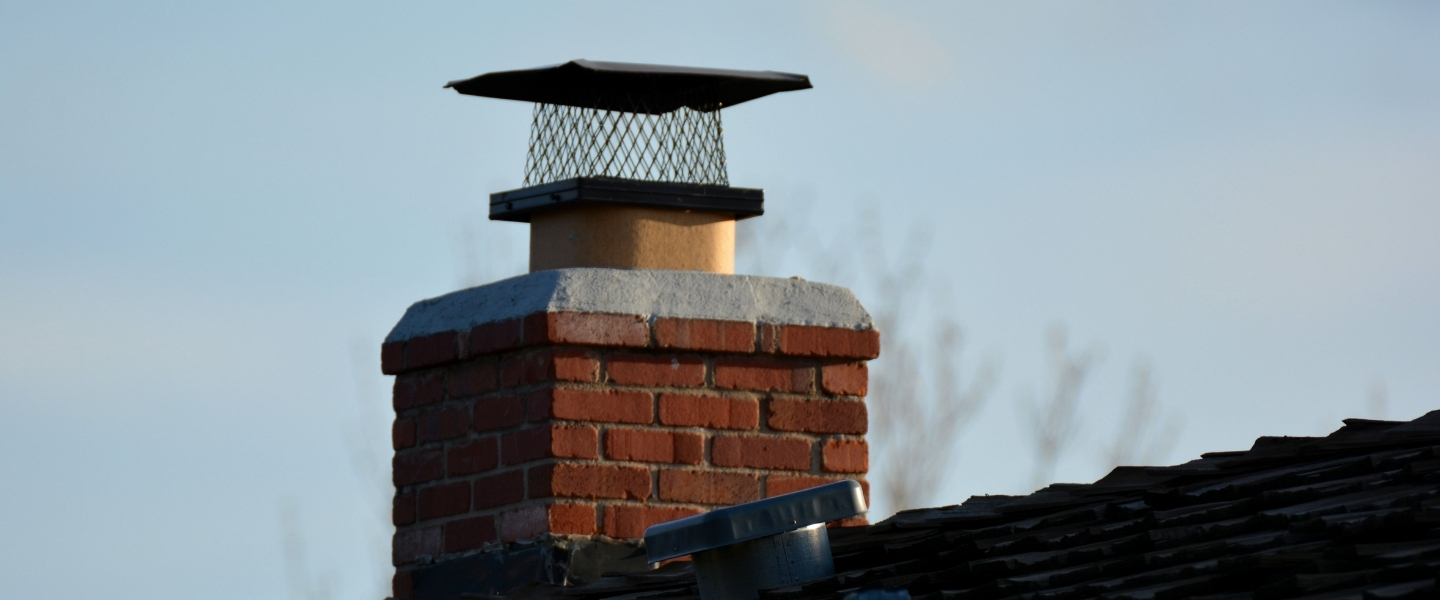
What is a Chimney Cowl and Does Your Home Actually Need One?
A chimney cowl is one of those components that sits quietly at the top of your chimney pot doing a surprisingly important job. Most homeowners barely give it a second thought — until something goes wrong. Rain pouring down the flue, jackdaws nesting inside the stack, smoke rolling back into the living room on a windy day. In many cases, the right cowl could have prevented all of it.
This guide covers everything you need to know about chimney cowls: what they do, whether you actually need one, how long they last, and what happens when your sweep turns up and finds one fitted.
What does a cowl do on a chimney?
A chimney cowl is a fitting that sits on top of the chimney pot. Its job is to protect the flue opening from the elements and anything else that might try to get in. Rain, wind, birds, leaves — a cowl deals with all of them.
So, what does a chimney cowl do in practical terms? It depends on the type, but the core functions are protection and performance. A chimney rain cowl keeps water out of the flue. Without one, rain can travel straight down into the fireplace, saturating the chimney breast and accelerating the kind of damp that causes real structural damage over time. As HETAS explains, moisture inside a flue also reacts with soot and creosote deposits to form mildly acidic compounds that degrade mortar joints and flue liners faster than you’d expect.
Beyond rain protection, many cowls are designed to improve or maintain draw — the movement of air up through the flue that makes your fire burn cleanly. A flue that draws well produces less smoke, burns fuel more efficiently, and deposits less creosote on the liner walls. A cowl that addresses downdraught — wind pushing back down the chimney and forcing smoke into the room — can make a significant difference to how well a fire performs on exposed or elevated properties.
Some cowls are primarily about keeping wildlife out. Birds, particularly jackdaws and starlings, are drawn to the warmth and shelter of a chimney stack. A blocked flue is a serious safety hazard: carbon monoxide has no route out and instead enters the living space. A cowl with a mesh guard prevents nesting without restricting the flue.
How does a chimney cowl work?
The mechanics vary by type. A basic rain cap simply sits over the pot opening with a raised lid that deflects water away from the flue. Anti-downdraught cowls use the wind itself to create a low-pressure zone that draws air upward — the same principle as a vacuum, using airflow across the cowl’s surface to pull the flue gases out rather than letting wind push them back down.
Rotating or spinning cowls take this a step further. They turn with the wind, constantly repositioning to maximise draw regardless of wind direction. These are particularly effective on chimneys that suffer from variable or unpredictable downdraught.
The key thing to understand is that how a chimney cowl works depends entirely on matching the right design to the problem you’re trying to solve. A rain cap won’t fix a downdraught problem. A bird guard won’t cure a smoking fireplace. Getting the choice right is what matters.
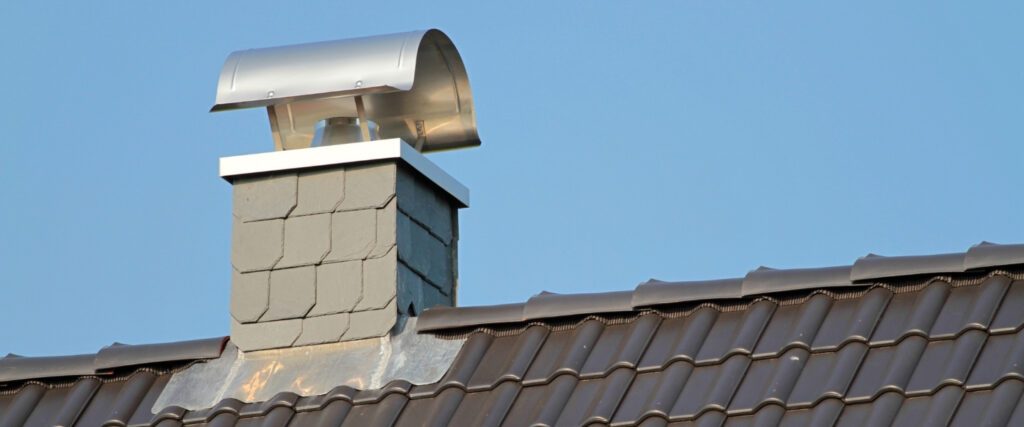
Types of chimney cowl
The range of chimney cowl products available is broad, and knowing what’s out there helps you make a sensible decision. Here are the main types:
- Rain cap / rain cowl: The simplest option. A lid-style cover that sits over the pot and keeps water out. Suitable for any fuel type when the chimney is in use, and a good baseline choice for chimneys in sheltered positions that don’t have downdraught problems.
- Bird guard: A mesh-sided cowl that allows airflow while preventing birds and debris from entering. Essential for any chimney — in use or not. Some designs combine a rain cap with a mesh guard.
- Anti-downdraught cowl: Designed for chimneys that smoke back into the room in windy conditions. Uses wind direction and pressure to create upward draw. Available in fixed and rotating versions.
- Spinning / rotating cowl: Turns with the wind to maximise draw. Effective on exposed or hilltop properties where wind direction is unpredictable.
- H-cowl / Super H cowl: A squared-off design that addresses serious downdraught issues. Highly effective but more visible from ground level, so worth checking planning constraints on listed or conservation area properties.
- Disused chimney cap: A fully sealed cap designed for chimneys that are no longer in use. Keeps everything out while allowing the stack to breathe slightly, which prevents damp from building up inside.
Choosing the right chimney cowl
There’s no single cowl that suits every chimney. The right choice comes down to three things: the fuel being burned (if the chimney is in use), the specific problem you’re trying to address, and the size of the pot opening.
For solid fuel appliances — wood-burning stoves, multifuel stoves, open fires burning logs or smokeless fuel — the cowl must be rated for solid fuel use. The temperatures produced by solid fuel combustion are higher than gas or oil, and a cowl not rated for those temperatures can warp, corrode, or fail. Always check the manufacturer’s specifications before buying.
Stainless steel is the material of choice for cowls on active chimneys. It handles the temperature range, resists corrosion, and lasts well. Galvanised or powder-coated steel is common on disused chimney caps where heat isn’t a factor.
Sizing matters, too. A cowl that doesn’t fit the pot properly won’t seal correctly, won’t stay on in high winds, and won’t do the job it’s supposed to. Measure the internal and external diameter of the chimney pot before ordering anything.
Is a chimney cowl necessary?
The short answer is yes — for most chimneys, a cowl of some kind is worth having. The longer answer depends on how the chimney is being used and where the property sits.
For a chimney in active use with a wood-burning stove or open fire, a chimney rain cowl and bird guard as a combined unit is a sensible baseline. Rain entering an active flue accelerates creosote build-up and can cause water ingress that damages the fireplace and the chimney breast behind it. A bird guard prevents nesting, which is a significant carbon monoxide risk if a blocked flue goes undetected before the first fire of the season.
For chimneys that are no longer in use, a cowl is arguably even more important. An open, unused chimney is an invitation for nesting birds, rainwater, and debris. Over time, the moisture that collects inside an unused flue with no protection can lead to damp patches on walls, deteriorating lime mortar, and a stack that needs far more work to bring back into use.
There’s a caveat worth mentioning, though. Downdraught cowls and spinning cowls are often sold as a fix for smoking problems, and they can help — but they won’t solve every issue. If the problem is a flue that’s too short, a liner that’s the wrong diameter, or a negative pressure environment inside the house, a cowl alone won’t cure it. A proper diagnosis comes first.
For properties in exposed positions — coastal, upland, or open countryside — a cowl that addresses downdraught is essentially a given. Wind hitting a chimney pot straight on can force smoke back down the flue even when the fire is burning well. That’s both unpleasant and, if it continues, a ventilation hazard.
Can you sweep a chimney with a cowl on?
This is one of the questions we get most often, and the answer depends on which type of cowl is fitted.
Many cowls are designed to be sweep-compatible — they lift off, swing open, or are fixed in a way that the brush passes straight through without disturbing them. A good quality bird guard or rain cowl fitted correctly on a swept chimney is rarely an obstacle.
The problem cowls are the cheap push-in mesh types. These sit loosely inside the pot with minimal fixings, and when the sweep’s brush reaches the top of the flue, it knocks them clean off. That’s not heavy-handed sweeping — it’s just what happens when the brush does its job. A sweep needs to push the brush through the full length of the flue, including the pot, to confirm the system is clear. A poorly fixed cowl sitting at the top is in the way.
Can you sweep a chimney with a cowl? Yes — if it’s the right cowl, fitted properly. We’d always rather remove and refit a quality cowl during a sweep than leave a flue inadequately cleaned because the cowl couldn’t be safely worked around.
There’s a separate category worth noting: cowls fitted to lined flues, where the liner terminal at the top of the pot serves a combined function. These should always be removed before sweeping and refitted afterwards. Your sweep should do this as a matter of course.
If you’re not sure what’s on top of your chimney pot, or whether the cowl currently fitted is compatible with sweeping, ask. It’s a straightforward question with a straightforward answer, and getting it right before the sweep arrives saves time all round.
How long does a chimney cowl last?
A quality stainless steel cowl fitted to an active chimney should last 10 to 20 years with no significant maintenance required. The variables that affect lifespan are the severity of the environment (coastal locations accelerate corrosion), the quality of the material, and how well it was fitted in the first place.
Cowls on unused chimneys often last longer simply because they’re not exposed to the thermal cycling and combustion gases that an active flue produces. A well-fitted stainless steel disused chimney cap on a sheltered property could outlast the decade comfortably.
What shortens a cowl’s life is poor fitting, inadequate fixings that allow movement in the wind, or using a material not suited to the application. Galvanised steel cowls on active solid fuel chimneys, for example, will degrade faster than stainless. It’s worth spending a little more upfront to avoid replacing it in five years.
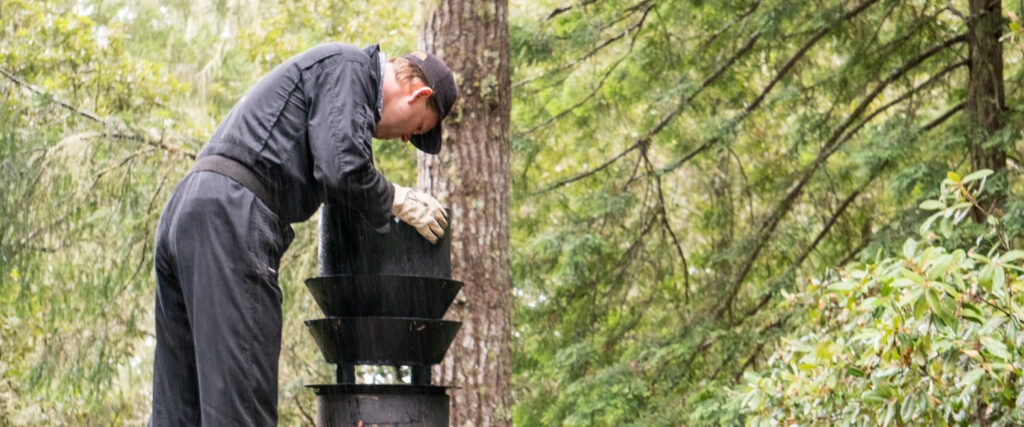
One thing to build into your chimney maintenance routine: ask your sweep to check the cowl as part of your annual visit. They’ll be able to see whether fixings are corroding, the cowl has shifted, or the mesh has become blocked with debris. Minor issues at that stage are easy to sort. Left alone, they become bigger problems.
How cowls are fitted — and who should fit them
Most cowls are fitted at pot level, which means working at roof height. For a straightforward swap — removing an old cowl and fitting a new one on an accessible chimney stack — a competent roofer or chimney sweep can carry this out. Some cowls are specifically designed for DIY fitting: they clamp, strap, or push onto the pot without requiring mortar or specialist tools.
That said, working at height carries real risk, and any work on the stack itself — fitting a cowl that requires mortar, adjusting the pot, or accessing a difficult stack — should be carried out by someone with the right equipment and insurance. A chimney cowl that falls off a poorly fixed fitting isn’t just a wasted purchase; at height, it’s a safety risk.
How The Sweeping Company can help
At The Sweeping Company, cowls come up on almost every visit — whether we’re recommending one, checking an existing fitting, or removing and refitting one during a sweep.
If you’re unsure whether your chimney needs a cowl, which type is right for your appliance and flue, or whether what’s currently on your pot is fit for purpose, we can advise you. We work across domestic and commercial properties, and chimney health is what we do — from the fireplace opening to the top of the pot.
If your chimney’s due a sweep, or you’d like a professional eye on what’s happening at the top of your stack, get in touch with our team of chimney experts. We’ll give you a straight answer.


