
BS EN 15780: The UK Standard for Ventilation Ductwork Cleanliness (And Why It Matters)
BS EN 15780 is one of the most important yet misunderstood standards in commercial HVAC. We see it referenced in tenders, contracts, and compliance documents across schools, hospitals, offices, and industrial sites — often without a clear understanding of what it actually requires.
For us at The Sweeping Company, BS EN 15780 is a practical framework. It sets expectations for how clean ventilation ductwork should be, how that cleanliness is measured, and how it’s maintained over time. When it’s applied properly, it supports healthier buildings, safer systems, and fewer surprises during audits or inspections.
What are the BS EN standards UK?
BS EN standards are British Standards that adopt European Norms (EN) into UK practice. When you see “BS EN” at the start of a standard, it means the document has been approved by the British Standards Institution (BSI) and aligned with European technical consensus.
In building services and HVAC, BS EN standards provide a shared technical language. Designers, contractors, facilities managers, and regulators all rely on them to define acceptable practice.
In practical terms, BS EN standards help answer questions like:
- How systems should be designed and installed
- How performance is assessed
- How safety, hygiene, and efficiency are demonstrated
- What “good practice” looks like across different building types
BS EN 15780 sits within this ecosystem. It focuses specifically on ventilation ductwork cleanliness — an area that directly affects air quality, fire safety, and system efficiency.
What is BS EN 15780?
BS EN 15780 is the European standard titled “Ventilation for buildings – Ductwork – Cleanliness of ventilation systems.” In the UK, it is widely used as the reference document for assessing, specifying, and maintaining ductwork cleanliness.
The standard establishes:
- Cleanliness classes for ventilation systems
- Methods for assessing contamination
- Expectations for cleanliness at installation and during operation
- Guidance on inspection, access, and documentation
Importantly, this standard applies to supply air, extract air, and recirculation ductwork. It is relevant across commercial, public, and industrial buildings — including healthcare, education, hospitality, and office environments.
From a cleaning and maintenance perspective, BS EN 15780 gives structure. It replaces vague phrases like “clean when required” with measurable criteria.
Why BS EN 15780 exists
Ventilation systems move large volumes of air through buildings every day. Over time, dust, fibres, grease, and debris accumulate inside ductwork. Left unmanaged, that buildup affects system performance and indoor air quality.
BS EN 15780 exists to create consistency. It ensures that cleanliness is not subjective or reactive. Instead, it is planned, measured, and documented.
We regularly encounter buildings where ductwork has never been inspected since installation. In those cases, this standard provides a clear baseline for bringing systems back under control.
Cleanliness classes explained
One of the core elements of BS EN 15780 is the use of cleanliness classes. These define acceptable levels of contamination based on how the ventilation system is used.
The standard defines three main cleanliness classes:
- Low
- Medium
- High
Each class corresponds to different building uses and risk profiles. For example, a general warehouse will have very different cleanliness requirements compared to a hospital operating theatre or a food production area.
The higher the cleanliness class, the lower the acceptable level of dust and debris inside the ductwork.
This classification system allows designers and facilities teams to set expectations early and maintain them over the life of the system.
How cleanliness is assessed under BS EN 15780
BS EN 15780 outlines methods for assessing ductwork cleanliness. These are not visual-only checks. The standard is clear that cleanliness should be measurable.
Assessment methods include visual inspection of internal duct surfaces, sampling of settled dust, and measurement of dust mass per square metre.
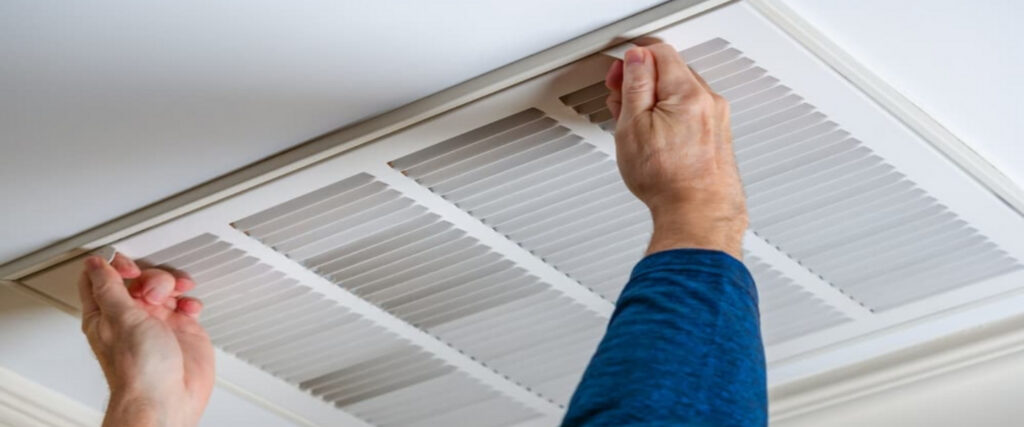
In practice, this means access panels matter. Without safe, compliant access, meaningful inspection is impossible. We often find systems that technically reference this UK standard, but lack adequate access points to meet its requirements.
Documentation is equally important. Inspection results should be recorded, retained, and used to inform maintenance schedules.
BS EN 15780 at installation stage
BS EN 15780 applies from day one. The standard includes guidance on cleanliness during manufacture, storage, installation, and commissioning.
Ductwork should be protected on site to prevent contamination before systems are even switched on. This includes sealing open duct ends, managing construction dust, and carrying out post-installation inspections.
When these steps are skipped, buildings often start their operational life already failing to meet cleanliness targets. We see this most often in fast-track commercial builds where ventilation systems are installed early and left exposed.
Operational maintenance and BS EN 15780
Once a building is occupied, BS EN 15780 supports a structured approach to ongoing maintenance. It does not prescribe fixed cleaning intervals. Instead, it links cleaning frequency to inspection findings and system use.
This risk-based approach makes the standard flexible. High-use or high-risk environments may require more frequent inspection and cleaning. Lower-risk systems may operate safely with longer intervals, provided cleanliness thresholds are maintained.
From our perspective, this is one of the strengths of this UK standard. It encourages informed decisions rather than blanket schedules.
BS EN 15780 and indoor air quality
Clean ductwork contributes directly to better indoor air quality. Dust, fibres, and microbial growth inside ventilation systems do not stay contained. They are redistributed throughout occupied spaces.
In environments like schools, healthcare settings, and offices, this has a direct impact on comfort, wellbeing, and performance.
While BS EN 15780 does not position itself as an air quality standard, its influence on air hygiene is significant. Cleaner systems support more predictable airflow and reduce unnecessary contamination.
How BS EN 15780 relates to HVAC cleaning
BS EN 15780 does not replace specialist duct cleaning standards. Instead, it provides the cleanliness targets that cleaning work should achieve.
In the UK, this standard is commonly used alongside:
- TR19 for kitchen extract and grease systems
- NAAD21 for ventilation hygiene methodology
- Fire safety guidance related to ductwork and fire dampers
When we carry out HVAC cleaning, this standard often forms the benchmark for success. It allows clients to demonstrate that cleaning work has achieved a defined outcome, rather than relying on subjective descriptions.
Common issues we see when BS EN 15780 is ignored
Across commercial sites, the same problems appear repeatedly when ductwork cleanliness is not managed properly:
- Ductwork that has never been inspected internally
- Systems operating far above acceptable dust levels
- Missing or sealed-over access panels
- No records of previous inspections or cleaning
- Confusion about which cleanliness class applies
These issues are rarely intentional. They usually stem from unclear ownership of HVAC responsibilities or assumptions that systems are “self-maintaining.” The aim is to remove that ambiguity.
Who is responsible for compliance?
BS EN 15780 itself isn’t law. However, it is widely recognised as good practice. In many cases, it becomes contractually binding through specifications, leases, or maintenance agreements.
Responsibility typically sits with:
- Building owners
- Facilities managers
- Duty holders under health and safety legislation
Contractors play a supporting role by delivering inspection and cleaning work that aligns with the standard.
When to review your BS EN 15780 compliance
A review of your BS EN 15780 compliance is sensible when there has never been an internal inspection of the ductwork, when you are preparing for an audit or wider compliance review, or when the use of the building has changed. It is also worth revisiting your position if occupants are raising concerns about air quality, or if maintenance records are incomplete, inconsistent, or no longer reflect the current system. In all of these situations, this standard offers a clear, structured starting point for regaining oversight and restoring confidence in how the ventilation system is being managed.
The role of BS EN 15780 in safer, cleaner buildings
BS EN 15780 gives ventilation cleanliness structure. It defines expectations, supports evidence-based maintenance, and helps buildings operate safely and efficiently.
When applied properly, it removes uncertainty. Systems are inspected with purpose, cleaned when necessary, and documented clearly.
From our point of view, that is exactly what a good standard should do.
If you need support assessing or maintaining your ventilation systems in line with BS EN 15780, our team at The Sweeping Company can help. We’re a specialist commercial HVAC cleaning and maintenance provider, working with organisations across the South West to inspect ductwork properly, clean it to clear standards, and document everything clearly.


