
What Is Chimney Efflorescence and What Should You Do About It?
If you’ve spotted a white, powdery crust forming on your chimney brickwork, you’re almost certainly looking at efflorescence. It’s one of those things that tends to catch homeowners off guard — partly because the word itself sounds alarming, and partly because nobody quite knows what to do about it. The good news is that efflorescence is common, it’s well understood, and in many cases it’s manageable. But it does deserve your attention, because what’s visible on the surface is often a signal about what’s happening inside your chimney structure.
Here’s everything you need to know.
What exactly is efflorescence?
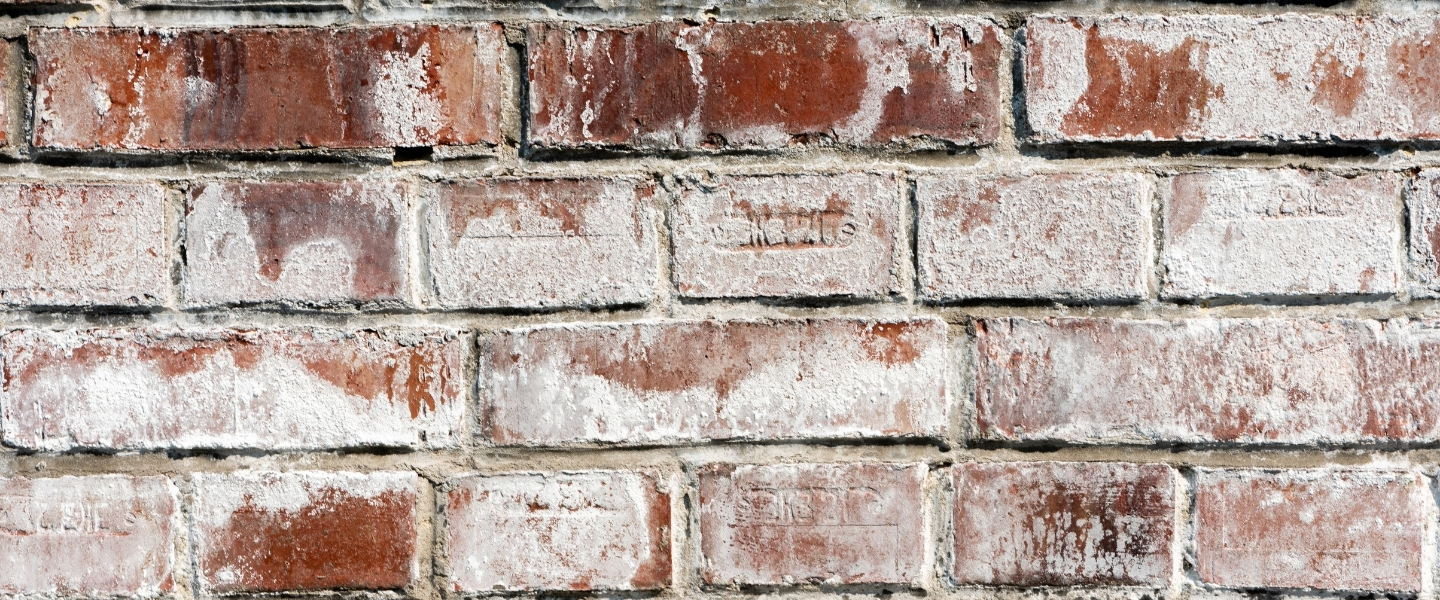
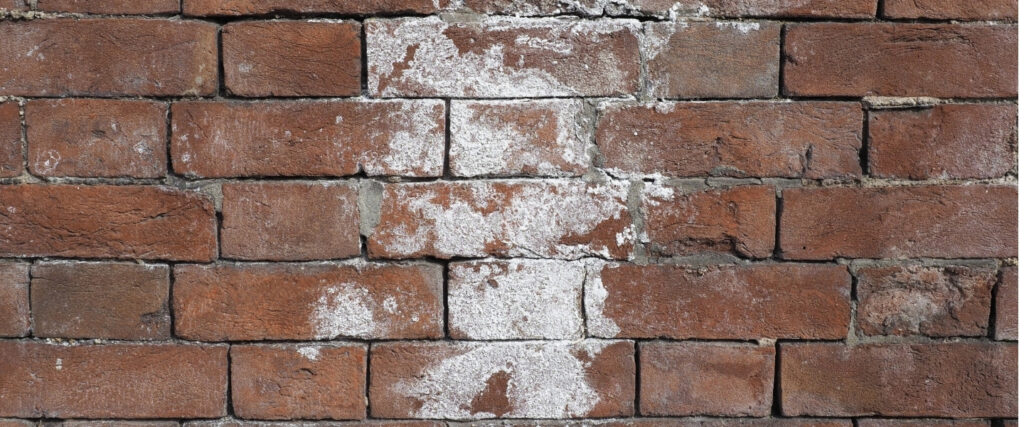
Efflorescence is the white, chalky or crystalline deposit that appears on the surface of brick, stone, or mortar when water moves through the masonry and evaporates at the surface. As the water travels through the porous material, it dissolves naturally occurring salts within the bricks or mortar. When it reaches the outside, the water evaporates and the salts are left behind — forming that distinctive white bloom.
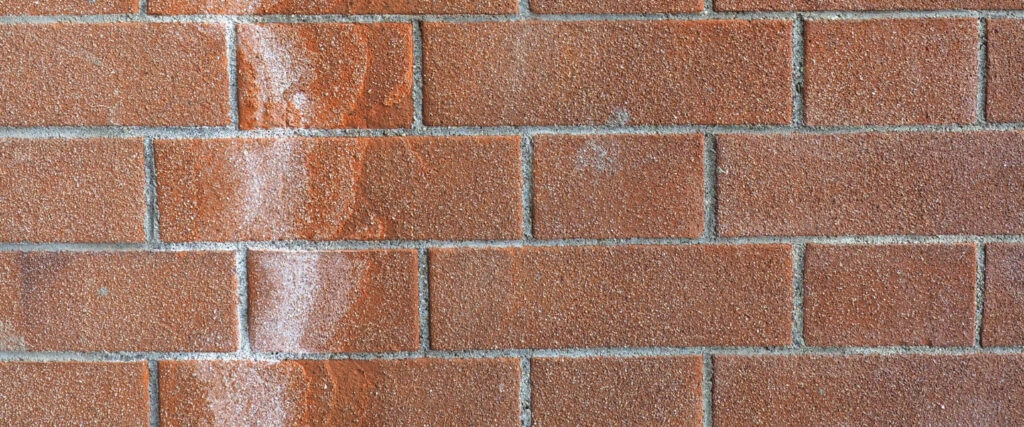
The deposits can look fluffy, powdery, or crusty depending on the salt type and how long they’ve been building up. Occasionally they can appear grey, yellowish, or even slightly brown, though white is by far the most common. If you rub a bit between your fingers, it’ll feel gritty or chalky — that’s the salt residue.
Three conditions need to be present for efflorescence to occur: soluble salts in the building material, moisture to dissolve those salts, and a path for the salt solution to travel to the surface. Remove any one of those three, and efflorescence can’t form. On a chimney, which is porous, constantly exposed to weather, and subject to temperature fluctuations throughout the year, all three conditions are frequently met.
What is the main cause of efflorescence?
Moisture is the driving force behind efflorescence every time. Without water moving through the masonry, the salts stay put and you’d never see a white stain. On a chimney specifically, water can get in through several routes — and it’s worth knowing what those are, because the entry point usually tells you how serious the situation is.
The most common entry points for water in a UK chimney include:
- A damaged or missing chimney pot or cap: Without a proper cap, rainwater falls directly into the flue and saturates the structure from within
- A cracked or deteriorating chimney crown: The cement mortar layer at the top of the stack that seals around the pot; when it cracks, water finds its way in and works its way down
- Failed or poorly installed flashing: The lead or metal seal where the chimney meets the roofline; when it lifts, corrodes, or was never properly fitted, water tracks in at the roofline
- Deteriorating mortar joints: Old or crumbling pointing allows water to penetrate directly into the brickwork
- Porous or spalled bricks: Older bricks that have lost their surface hardness absorb water freely, particularly after freeze-thaw cycles
One cause that surprises many homeowners is condensation from inside the flue. When warm, moist air from a heating appliance meets the cold brickwork of an unlined or poorly lined chimney, condensation forms on the interior walls. That moisture then carries salts through the masonry to the surface. If your efflorescence seems to concentrate on the interior sections of an internal chimney breast rather than the exterior stack, this is the likely explanation.
Does efflorescence always mean a leak?
Not necessarily — though it does always mean moisture has been moving through the masonry. On newly built chimneys or stacks rebuilt with fresh mortar and bricks, efflorescence can appear simply because the construction materials themselves contain soluble salts that are mobilised by the water used in the building process. This is sometimes called “new building bloom” and it can look quite dramatic even when there’s no structural problem at all.
On established chimneys — those more than a year or two old — the picture is different. Efflorescence appearing on a chimney that’s been fine for years is worth investigating, because it tends to indicate that something has changed: a crack has developed, pointing has failed, flashing has lifted, or a cap has been dislodged. In those situations, yes, it’s pointing to water finding a way in that it didn’t have before.
The location of the staining can be a useful clue. Efflorescence spread fairly evenly across the chimney stack after a wet winter is often low-level surface saturation. Concentrated patches — particularly around the crown, flashing line, or mortar joints — are more suggestive of a specific entry point worth investigating.
Is efflorescence a serious problem?
The salt deposits themselves won’t damage your brickwork. Efflorescence is primarily cosmetic, and on its own, it doesn’t weaken the structure. That said, treating it as purely a cosmetic issue and leaving it at that is where things can go wrong.
The serious concern is always what’s causing the moisture to move through the masonry in the first place. Water is the single biggest enemy of a chimney, and sustained water ingress causes real, progressive damage:
- Mortar joints soften and crumble, eventually requiring repointing
- Bricks can begin to spall — where the face of the brick flakes away — once the freeze-thaw cycle starts breaking down saturated masonry
- Timber lintels, roof timbers, and any organic material near the chimney can rot if moisture is spreading beyond the masonry
- Mould can develop in wall cavities and in the attic around the chimney
There’s also a more advanced condition called sub-florescence, where salts crystallise beneath the brick surface rather than on it. When that happens, the expanding crystals can physically push the brick apart from the inside — and that damage is irreversible without replacing the bricks themselves.
So: efflorescence is your chimney’s way of flagging that water is present. The staining itself isn’t the crisis, but what’s driving it might be. That distinction matters when you’re deciding how urgently to act.
Will efflorescence eventually go away?
Sometimes, yes. On externally exposed brickwork, rain can gradually wash the salt deposits away over time, and on newly built chimneys or stacks in the first year or two, efflorescence often diminishes naturally as the masonry dries out and the initial surplus of soluble salts is exhausted. Warm, dry weather helps the process along.
But the key word there is “naturally” — and that only applies when the underlying moisture situation is resolved or was never a serious problem to begin with. If there’s an active source of water ingress — a cracked crown, failed flashing, or open mortar joints — the efflorescence won’t go away. It’ll keep reappearing because the salts keep getting drawn to the surface. In that scenario, waiting for it to weather away isn’t a strategy; it’s just allowing the water damage to continue unseen.
If you’ve had efflorescence for more than a season, or if it keeps returning after wet weather, take that as your prompt to get the chimney properly inspected.
How do you remove efflorescence from a chimney?
Before you do anything, make sure the masonry is completely dry. Attempting to remove efflorescence from damp brickwork is counterproductive — the water you apply will dissolve the salts and pull them back into the masonry, and they’ll reappear on the surface again as it dries.
There are three main approaches to removal, and the best choice depends on how stubborn the deposits are:
Dry brushing is always the starting point. Use a stiff-bristled brush — nylon rather than wire, which can scratch and damage the brick face. Brush the deposits away when the surface is fully dry. For light or recent efflorescence, this is often all you need.
Brushing followed by a water rinse works for more established deposits. Scrub with the brush first, then rinse with clean water to carry away the loosened salt. Rinse thoroughly — if you leave dissolved salts sitting on the surface, they’ll recrystallise as the water evaporates and you’ll end up back where you started. Repeat if necessary.
Specialist efflorescence remover is the right choice for persistent or heavy deposits that don’t respond to brushing and rinsing alone. There are proprietary products available specifically formulated for masonry that dissolve the crystalline salts more effectively than plain water. Follow the manufacturer’s instructions carefully, test on a small inconspicuous area first, and make sure the surface is thoroughly rinsed afterwards.
A word on acid-based cleaners: muriatic acid (hydrochloric acid) is sometimes mentioned in connection with efflorescence removal, but we’d strongly advise against using it without professional guidance. Applied incorrectly, it can etch and discolour brickwork and damage mortar joints. The health risks from improper handling are also significant. There are safer, purpose-made alternatives that do the job without those risks.
Whatever method you use, address the source of the moisture before or alongside the cleaning work. Cleaning efflorescence off a chimney that’s still taking in water is a temporary measure at best.
Does efflorescence come back after cleaning?
It can, and whether it does tells you a great deal about what’s happening with your chimney.
If efflorescence clears after a proper dry brushing or rinse and doesn’t return, it’s likely you were dealing with residual salts from construction or a brief period of surface saturation — nothing more significant. Many homeowners in this situation find it was a one-off.
If it comes back — particularly if it returns quickly or appears in the same concentrated areas — that’s a strong signal that there’s an ongoing source of moisture that hasn’t been addressed. The chimney is still getting wet, the salts are still being dissolved and carried to the surface, and the cycle continues. Cleaning removes the visual evidence, but it doesn’t solve the problem.
Recurring efflorescence should always prompt a proper inspection. A professional chimney sweep can assess the stack from top to bottom, identify where water is getting in, and recommend the right repair — whether that’s repointing, replacing a cracked crown, fixing the flashing, or fitting a new chimney cap.
Once any necessary repairs are completed, sealing the brickwork with a breathable, vapour-permeable water repellent is a smart finishing step. These products allow any moisture that’s already inside the masonry to escape as vapour while preventing liquid water from penetrating the surface. It’s important to use a breathable product specifically — film-forming sealants that trap moisture inside the brickwork can actually accelerate deterioration rather than prevent it.
When to call a professional
DIY efflorescence removal is straightforward and often effective for minor surface staining. But if any of the following apply, it’s worth getting a chimney professional involved:
- The efflorescence is heavy, widespread, or recurring
- You can see cracked or crumbling mortar, spalling bricks, or damaged pointing alongside the staining
- The staining is appearing on internal walls or a chimney breast inside the house
- You’ve had recent signs of water in the firebox, damp smells, or water marks on ceilings near the chimney
- You haven’t had your chimney inspected for more than a year
An annual chimney inspection is the single most effective thing you can do to catch problems like this early — before a manageable maintenance job becomes a costly repair. At The Sweeping Company, our sweeps carry out thorough inspections as part of our service and can flag any concerns about moisture, structural condition, and chimney health. Catching efflorescence at the first sign — and understanding what’s behind it — is always better than waiting until the damage is done.


