
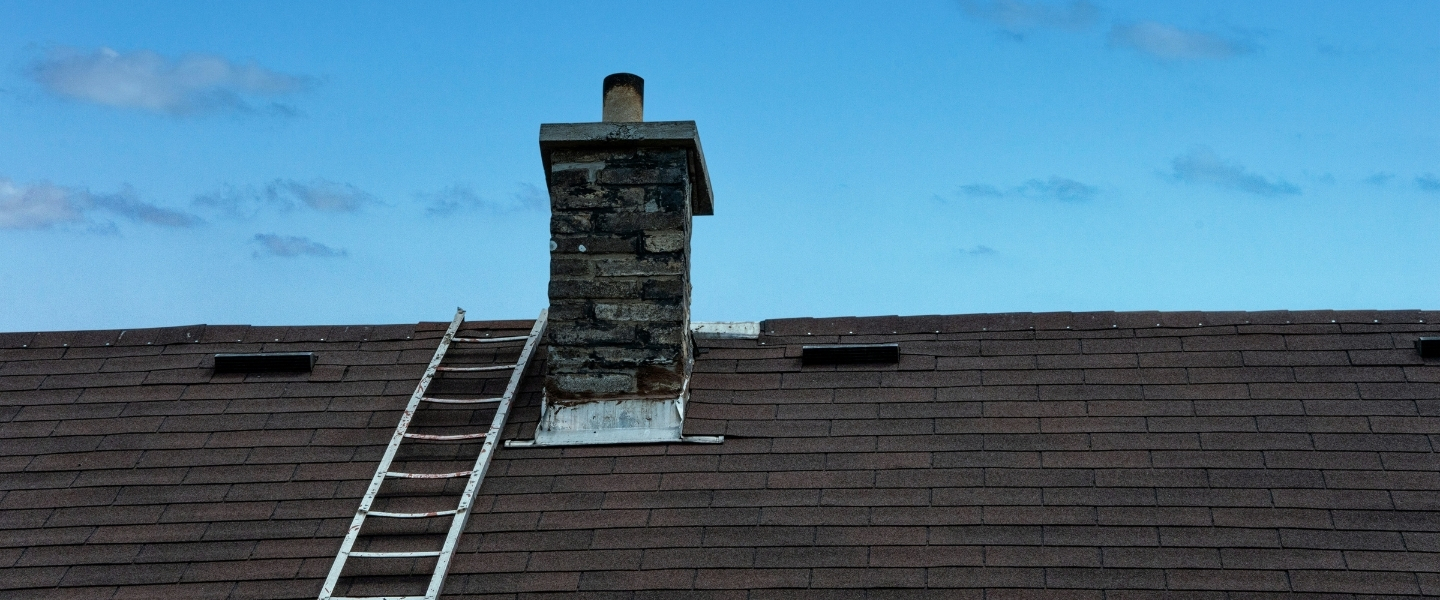
What Is a Chimney Liner — and Do You Really Need One?
Your chimney might look perfectly fine from the outside, but what’s happening inside the flue is a different story. The liner — the internal lining of your chimney — is what determines whether your fireplace or stove operates safely and efficiently. Without it working properly, you’re exposed to risks that go well beyond a smoky room.
Here’s what you need to know about chimney liners, from what they actually do to how much they cost, how long they last, and how regular chimney sweeping fits into keeping yours in good shape.
What is a chimney liner?
A chimney liner, also called a chimney flue liner, is the layer that runs inside your chimney from the fireplace or appliance at the bottom to the chimney pot at the top. Its job is to contain combustion gases — carbon monoxide, smoke, water vapour, tars and other byproducts — and carry them safely out of the building.
Most people don’t think much about what’s inside their chimney until something goes wrong. But the liner is doing critical work every time you light a fire. It protects the masonry of the chimney from the corrosive effects of flue gases, helps maintain the right temperature for a good draw, and stops dangerous gases from leaking into the rooms of your home.
There are several types:
- Flexible stainless steel liners are the most common choice for relining existing chimneys in the UK. They’re inserted from above or below, can navigate bends, and are suitable for solid fuel appliances including wood-burning stoves. The grade of steel matters: 316 grade is adequate for wood and gas, while 904 grade is recommended for smokeless fuel or heavier use.
- Clay chimney liners are a traditional option, often found in older properties. They’re excellent insulators and can last decades, but they’re less suited to relining existing stacks because they require a chimney with a relatively straight, clear passage.
- Pumice liners are a premium option used mainly in new builds, cast-in-place with exceptional insulating properties and long lifespans.
- Cast-in-place (thermocrete/ceramic) liners involve a compound being pumped into the chimney, setting around a former to create a seamless, smooth flue. These are particularly useful for chimneys with irregular shapes or structural weaknesses.
Is a chimney liner really necessary?
The short answer is: yes, in most cases it is.
Older British properties — those built before 1965 — often have unlined brick or stone chimneys. When they were built, open fires were the norm and the large, draughty flues worked well enough. But the way we heat our homes has changed significantly. Modern wood-burning stoves are highly efficient, typically burning at 80% efficiency or more. That means far less heat escapes up the chimney than with an open fire, which also means the flue gases are cooler and slower-moving. A cooler flue is more prone to condensation, tar deposits, and poor draw — and all of those problems are made significantly worse without a liner.
A chimney flue liner sized and matched to your appliance solves this. It provides the right diameter for the gases to travel efficiently, keeps the flue warm enough to maintain a good draw, and creates a smooth interior that doesn’t cause turbulence or snag debris.
For a chimney liner for an open fire, the situation is slightly different — an open fire produces more heat and more raw gas than a stove, but the same principles apply. A liner still protects the masonry, reduces the risk of condensation and staining, and lowers the chance of harmful gases finding their way into the building through gaps or cracks in older brickwork.
If you’re fitting a new appliance — a wood-burning stove, a multi-fuel stove, or a gas fire — your installer will need to confirm that your chimney is suitable. If it isn’t, lining it becomes a condition of the installation.
Is it a legal requirement to have your chimney lined?
Chimney liner building regulations sit within Approved Document J of the Building Regulations, which covers combustion appliances and fuel storage systems. The regulations don’t state baldly that every chimney must have a liner — but they do require that any chimney connected to an appliance must be suitable and free from defects. In practice, this means that if a HETAS-registered installer or competent person assesses your chimney as inadequate for its intended use, lining it is required as part of a compliant installation.
So while fitting a chimney liner isn’t universally mandatory for its own sake, it effectively becomes mandatory when you’re installing or upgrading an appliance. Any work involving both an appliance and a new chimney liner is a notifiable controlled service under Building Regulations, and it must be carried out by a competent person — either a HETAS-registered installer or someone whose work is approved by Local Authority Building Control.
This matters for insurance and for selling your home, too. If you’ve had work done that didn’t comply with Building Regulations, it can create complications down the line.
What happens if you don’t have a chimney liner?
The risks are real, and they’re worth taking seriously.
The most serious concern is carbon monoxide. Without a sound liner, combustion gases can leak through cracks, voids, or porous mortar joints in the chimney stack and find their way into the rooms of the building — including rooms you’d never expect, sometimes in neighbouring properties in terraced or semi-detached houses. Carbon monoxide is colourless, odourless, and can be fatal. It doesn’t announce itself.
Beyond that, an unlined chimney is prone to tar and condensate buildup. As flue gases cool against the cold masonry, they deposit tarry residues. Over time these can seep through the chimney walls and cause dark, oily staining on interior walls and ceilings — sometimes appearing some distance from the chimney itself. This staining is both unpleasant and a strong signal that the chimney isn’t performing safely.
Chimney fires are another consequence. Creosote and tar deposits — collectively often referred to under creosote removal as a chimney sweep’s concern — are highly combustible. An unlined chimney accumulates these deposits faster and without the containment a liner provides. If a chimney fire does occur in a lined flue, the stainless steel contains it. In an unlined or damaged flue, there’s nothing between the fire and the rest of the building’s structure.
Poor draw and smoke coming back into the room are typically the first signs a householder notices — but by the time you’re having smoke issues, the problem has often been building for a while.
How do I know if my chimney needs a liner?
Several signs suggest your chimney either doesn’t have a functioning liner or that the existing one needs attention:
- Smoke enters the room rather than drawing up the chimney cleanly
- You notice damp patches, tar staining, or efflorescence on chimney breast walls
- There’s a persistent smell of smoke even when the fire is out
- Your chimney hasn’t been inspected since before a new appliance was installed
- The property was built before 1965 and has never been re-lined
- An installer has recommended lining before connecting a new stove or fire
The most reliable way to find out is through a chimney survey. A CCTV chimney inspection is the gold standard here — a camera is passed through the flue and gives a detailed picture of the interior condition, identifying cracks, blockages, collapsed sections, debris, or degraded liners that a visual inspection from the top would miss. If you’re buying a property with a chimney and intend to use it, a CCTV survey is a worthwhile investment before you commit to anything.
A smoke test can also reveal whether the flue is leaking gases. These tests are typically carried out by a qualified chimney sweep and involve introducing smoke into the flue under controlled conditions to see whether it escapes where it shouldn’t.
A note on asbestos chimney liners
It’s worth raising this topic because it catches some homeowners off guard. Older properties — particularly those from the 1950s through the 1980s — may have insulating boards or wrapping materials around the chimney flue that contain asbestos. The term “asbestos chimney liner” generally refers to these insulating materials rather than the flue liner itself, but the result is the same: if you’re relining or working on a chimney in an older property, there’s a possibility of encountering asbestos.
If asbestos is suspected, work must stop and a specialist asbestos survey should be commissioned. Disturbance of asbestos-containing materials is regulated and must be handled by licensed contractors. A competent chimney sweep or HETAS installer will raise this with you if it’s a concern.
What’s the lifespan of a chimney liner?
How long does a chimney liner last? It depends on the type, the fuel being burned, and how well the appliance is maintained.
A flexible stainless steel liner, when correctly specified and installed, typically carries a manufacturer’s guarantee of 10 years or more. With proper use — the right grade of steel for the fuel type, burning well-seasoned or kiln-dried wood, and regular chimney sweeping — a quality liner can last 20 to 25 years in practice.
Clay chimney liners, where they form an original part of older construction, can last considerably longer — sometimes 50 years or more — but they’re susceptible to cracking from thermal cycling and moisture.
Pumice and cast-in-place ceramic liners are the longest-lasting options, with lifespans comparable to the building structure itself when conditions are good.
The single biggest factor in extending the lifespan of any liner is burning correctly and sweeping regularly. Burning wet or unseasoned wood produces far more creosote and acidic condensate than dry wood. These attack the liner from the inside, accelerating corrosion and reducing the effective life significantly. A liner in a flue that’s swept regularly and connected to an appliance burning good fuel will outlast one in a neglected chimney by many years.
How much should a chimney liner cost?
Chimney liner cost varies depending on liner type, chimney height and diameter, ease of access, and where in the UK you’re located.
As a general guide:
- Flexible stainless steel liner installation: Typically £450–£700 for supply and installation, with 904 grade costing more than 316 grade
- Clay chimney liner: £750–£1,000 installed
- Cast-in-place ceramic/thermocrete: £950–£1,500 or more
- Pumice liner systems: £1,200–£3,500 depending on chimney height
Labour costs typically run from £200 to £500 per day, and most standard stainless steel relining jobs are completed in a day. Taller chimneys, complex access requirements, or the need for scaffolding will push costs up. Prices in London and the South East are generally higher than in the North, Scotland, or Wales.
When budgeting, remember to factor in additional costs that often accompany chimney liner installation: a chimney cowl, a register plate, a stove pipe connector, and critically — having the chimney swept before the liner goes in. Most installers and liner manufacturers require the chimney to be swept as a condition of any guarantee.
Can I install a chimney liner myself?
Technically, fitting a chimney liner yourself isn’t prohibited — but doing so as part of a heating appliance installation is a different matter. Any chimney liner installation connected to the installation of an appliance is classified as a controlled service under Building Regulations. That means it must either be carried out by a competent registered person, such as a HETAS-registered installer, or be approved through your Local Authority Building Control.
If you’re simply replacing a like-for-like liner in an existing installation — without touching the appliance — the regulatory picture is less clear-cut, but the practical risks are significant. Fitting a chimney liner requires working at height (usually at chimney pot level), navigating bends, correctly sizing the liner to the appliance, and fitting the closure plate, cowl, and connectors correctly. Getting any of these wrong affects both safety and the performance of the installation.
For most homeowners, the sensible answer is to use a qualified professional. The cost of doing it properly is modest compared to the cost of putting it right if something goes wrong — or the consequences if it doesn’t.
How regular chimney sweeping protects your liner
This is where chimney sweeping and chimney lining connect directly. Your liner is a long-term investment in the safety and performance of your chimney — and regular sweeping is what protects that investment.
Every time you burn solid fuel, byproducts accumulate in the flue: soot, tar, creosote, and condensate. These deposits are corrosive, and in a liner that isn’t swept regularly, they build up to the point where they degrade the liner from the inside. In a stainless steel liner, acidic condensate accelerates corrosion. In any liner, heavy tar deposits increase chimney fire risk dramatically.
A professional chimney sweep removes these deposits before they cause damage, and crucially, they’ll notice early signs of liner deterioration — cracking at joints, areas of heavy deposit that suggest a draught problem, or signs of condensation where it shouldn’t be. Catching these issues early is the difference between a simple maintenance call and a full liner replacement.
For wood-burning and multi-fuel stoves, sweeping at least once a year is standard — twice a year if you’re burning regularly through autumn and winter. For open fires, once a year is the minimum. Gas appliances that use a chimney flue should also be swept annually to ensure the flue is clear and that the liner remains sound.
At The Sweeping Company, this is exactly the kind of work we do, day in and day out. Whether you’re concerned about the condition of your existing liner, you’ve been told you need to replace one before a new appliance goes in, or you simply want the peace of mind that comes from knowing your chimney is in good health, we’re here to help.
We carry out professional chimney sweeping for both domestic and commercial properties, keeping flues clear, extending liner life, and providing the kind of routine care that prevents expensive problems later. We also offer chimney surveys and CCTV inspections — giving you a detailed, objective picture of what’s happening inside your flue, so you can make informed decisions about whether your liner needs attention or replacement.
If you’re not sure where you stand, start with a sweep and a survey. You’ll come away knowing exactly what your chimney needs — and what it doesn’t.


