
Chimney Blockage: What Causes It and How to Fix It Safely
A blocked chimney is one of those problems that can go unnoticed until it becomes urgent — smoke backing into the room, a lingering smell of soot, or a fire that just won’t draw properly. Whether you use your chimney daily or only occasionally, a blockage can be both a fire hazard and a health risk.
At The Sweeping Company, we deal with chimney blockages across homes, restaurants, and commercial buildings every day. Here’s everything you need to know about spotting, diagnosing, and fixing a chimney blockage safely and effectively.
What causes a chimney to block?
Chimneys are designed to draw smoke, gases, and heat up and out of your property. But over time, debris can accumulate inside the flue or at the top of the stack, creating a partial or full blockage. Common causes include:
1. Bird nests
Birds (especially jackdaws, rooks, and pigeons) often see open chimneys as the perfect place to build a nest. A single nest can completely block the flue and lead to dangerous carbon monoxide build-up when you light a fire.
2. Soot and tar build-up
When a chimney isn’t swept regularly, soot and creosote (a tar-like substance from burning wood or coal) start to coat the inside of the flue. Over time, these deposits can harden and narrow the passage, reducing airflow and increasing fire risk.
3. Fallen masonry
Older chimneys can shed bits of brick, mortar, or liner material into the flue. These fragments can gather at the bend or base of the chimney, forming a physical blockage that prevents smoke from escaping.
4. Animal blockages
Squirrels, bats, and even insects have been known to make their way into chimneys. Sadly, if an animal becomes trapped, it can cause an obstruction or odour if not quickly removed.
5. Weather and debris
Strong winds and storms can push leaves, twigs, and general debris into the chimney pot. In coastal or rural areas, this is particularly common during autumn and winter.
6. Intentional blocking off
Sometimes, chimneys are deliberately sealed — often when a fireplace is no longer in use. Over the years, these sealed flues can trap moisture, debris, or rubble behind the closure. If you later decide to reopen the fireplace, this old blockage will need to be safely cleared and inspected before the chimney can be used again.
What could be the symptoms of a blocked chimney?
A blocked chimney doesn’t always show obvious signs at first. However, there are a few clear symptoms that suggest your chimney may not be venting properly:
- Smoke blowing back into the room when lighting a fire or stove
- A strong, unpleasant smell from the fireplace — often damp or smoky
- Poor fire performance, such as difficulty keeping a flame going or low heat output
- Soot stains or black marks appearing on the fireplace surround or walls
- Cold draughts or condensation around the fireplace area
- Animal noises (scratching, chirping, or fluttering) coming from inside the flue
- Visible debris — such as twigs or nesting material — in the grate or hearth
If you notice any of these signs, it’s best to stop using the fire immediately and book a professional chimney inspection.
Can a blocked chimney cause damp?
Yes. When air can’t circulate properly, condensation builds up inside the flue. This moisture can seep into the surrounding brickwork, causing damp patches or mould.
How do I tell if my chimney is blocked?
You can do a few safe checks yourself before calling a professional:
- Hold a small mirror or torch at the base of the fireplace: Can you see any light coming through from above? If not, the flue could be obstructed.
- Listen for movement: Birds or small animals trapped inside are often noisy during daylight hours.
- Smell for soot or damp: A blocked or capped chimney can cause condensation, leaving a musty odour.
- Check for draughts: When you hold a tissue or flame near the fireplace opening, does the air move upwards? If not, airflow is restricted.
However, a visual or DIY check won’t always reveal what’s going on deeper inside the chimney. That’s why we use CCTV chimney inspections at The Sweeping Company — a small camera system that lets us see exactly what’s causing the problem and where it’s located.
What to do if your chimney is blocked
If you suspect a blockage, don’t light another fire until it’s inspected. Even a small obstruction can stop dangerous gases (like carbon monoxide) from escaping.
Here’s what to do instead:
- Contact a qualified chimney sweep: Look for certification from HETAS, Sweep Safe, or NAAD UK, which guarantees professional standards and safety compliance.
- Keep the area clear: Move furniture or flammable materials away from the fireplace before inspection.
- Avoid poking or prodding the flue yourself: It can compact the blockage further or damage the liner.
- If you suspect a bird or animal is trapped, contact your sweep or the RSPCA immediately.
How do you remove a chimney blockage?
The method depends on what’s causing the blockage and where it’s located in the chimney.
1. Chimney sweeping
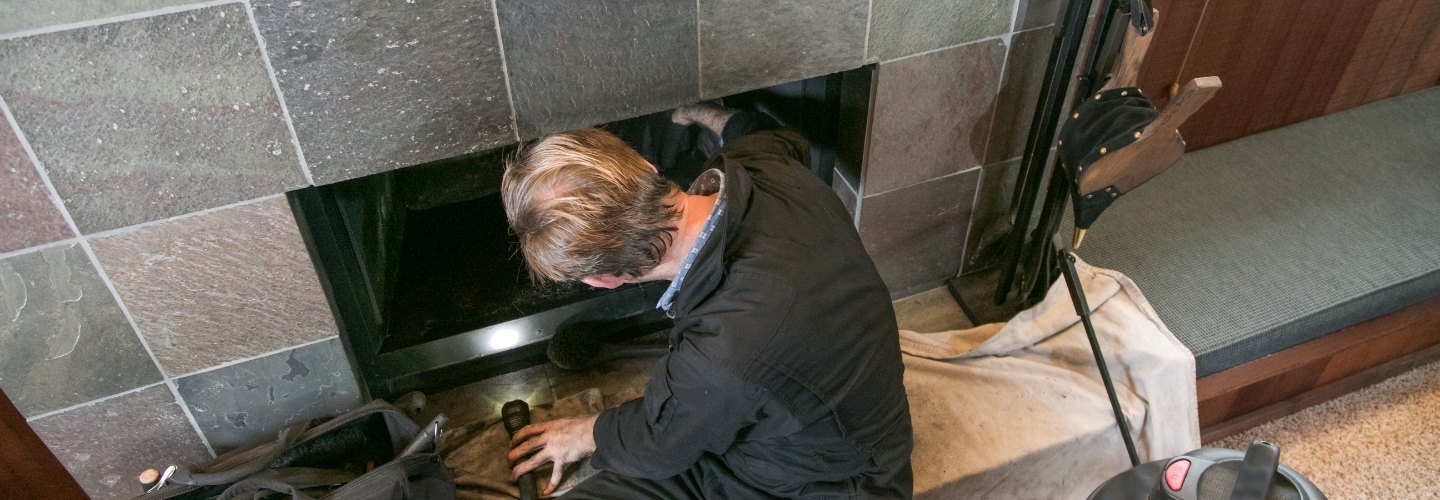
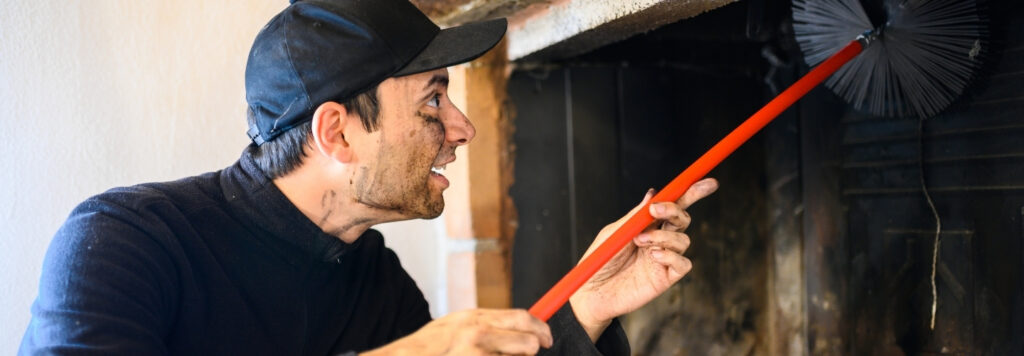
For soot and creosote build-up, a full mechanical sweep with specialist brushes and vacuum extraction usually does the job. This clears deposits from the entire flue, improving airflow and safety.
2. “Make hole and sweep”
When the blockage is solid — such as fallen masonry or compacted debris — we may need to create a small access point in the chimney breast to reach and remove it safely. This process is known as make hole and sweep, and it’s a common solution for long-blocked or unused chimneys.
3. Bird nest removal
If a bird’s nest is the cause, we remove all nesting material and ensure no birds remain trapped. We’ll also fit a bird guard or cowl to prevent future nesting.
More on our bird nest removal services
4. CCTV inspection and clearance
For severe or recurring blockages, we perform a CCTV inspection before and after sweeping. This confirms that the flue is fully clear and structurally sound.
More on our CCTV chimney inspection services
5. Flue liner repair or replacement
If your chimney has suffered internal damage or corrosion, a new liner may be needed. A properly lined flue not only prevents blockages but also improves heating efficiency and reduces fire risk.
How much to unblock a chimney?
Costs vary depending on the severity and type of blockage. As a guide:
- Standard chimney sweep: £60–£90
- Bird nest removal: £90–£150
- CCTV chimney inspection: £90–£160
- Flue liner repair or replacement: £400+
Emergency callouts, tall chimneys, or hard-to-access flues may cost slightly more. At The Sweeping Company, we always provide a clear quote before starting any work, so there are no surprises.
Can you reopen a blocked chimney?
Yes, you can — and it’s often well worth it. Many older homes have chimneys that were sealed up years ago, either for aesthetic reasons or because the fireplace was no longer in use.
If you’re planning to install a wood burner or reopen a traditional fire, the first step is a professional inspection to assess the flue’s condition. Over time, sealed chimneys can gather rubble, dust, and moisture, which can lead to damp problems.
When reopening a blocked chimney, we:
- Safely remove the old blockage or rubble.
- Check for structural integrity and leaks.
- Sweep and test the flue for draught and draw.
- Fit a proper closure plate, cowl, and liner where necessary.
Once complete, your chimney will be safe, efficient, and ready for use again — whether for an open fire, log burner, or stove.
How long does it take to unblock a chimney?
Most blockages can be cleared within 1–2 hours, but severe cases involving collapsed masonry or heavy nesting can take longer.
Will unblocking a chimney make a mess?
Not if it’s done properly. We use sealed vacuum systems and dust sheets to keep your property clean throughout the process.
Is it dangerous to use a blocked chimney?
Absolutely. Using a blocked chimney is never safe — even a small obstruction can have serious consequences. When smoke and fumes can’t travel freely up the flue, they’re forced back into your home, releasing harmful gases such as carbon monoxide. This gas is colourless, odourless, and potentially deadly if inhaled over time.
Beyond the health risks, a blocked chimney can also lead to chimney fires. Built-up soot, creosote, or debris can ignite under high temperatures, spreading quickly through the flue and into surrounding brickwork or loft spaces.
If you ever notice smoke backing up into the room, a persistent sooty smell, or a fire that struggles to stay lit, stop using it immediately and call a professional chimney sweep. At The Sweeping Company, we’ll identify the cause, clear the blockage, and make sure your chimney is safe to use again — giving you peace of mind that your property and everyone in it is protected.
Preventing future chimney blockages
Regular maintenance is key to avoiding future issues. A few simple habits go a long way:
- Book annual sweeps: For most properties, once a year is enough. For solid-fuel stoves or heavy use, twice yearly is recommended.
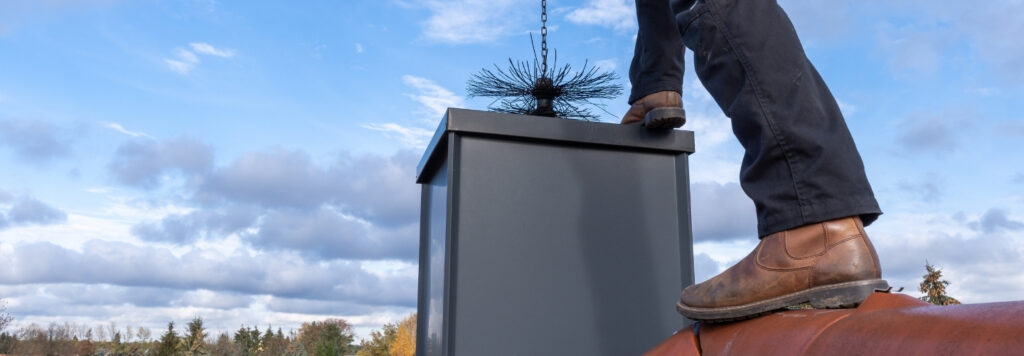
- Fit a bird guard or cowl: This prevents debris and animals from entering.
- Burn seasoned wood only: Wet or unseasoned wood produces more tar and soot.
- Keep an eye on performance: If the fire starts burning poorly or smells change, book a check sooner.
We also offer chimney maintenance contracts for landlords, pubs, restaurants, and commercial buildings to stay compliant and safe year-round.
Don’t wait for smoke — act on chimney blockages early
A blocked chimney isn’t just inconvenient — it’s a safety risk. The good news is that with the right inspection, cleaning, and prevention, you can keep your flue clear, efficient, and safe all year round. Whether you’re dealing with a stubborn nest, fallen debris, or years of soot build-up, The Sweeping Company can get your chimney breathing freely again.


