
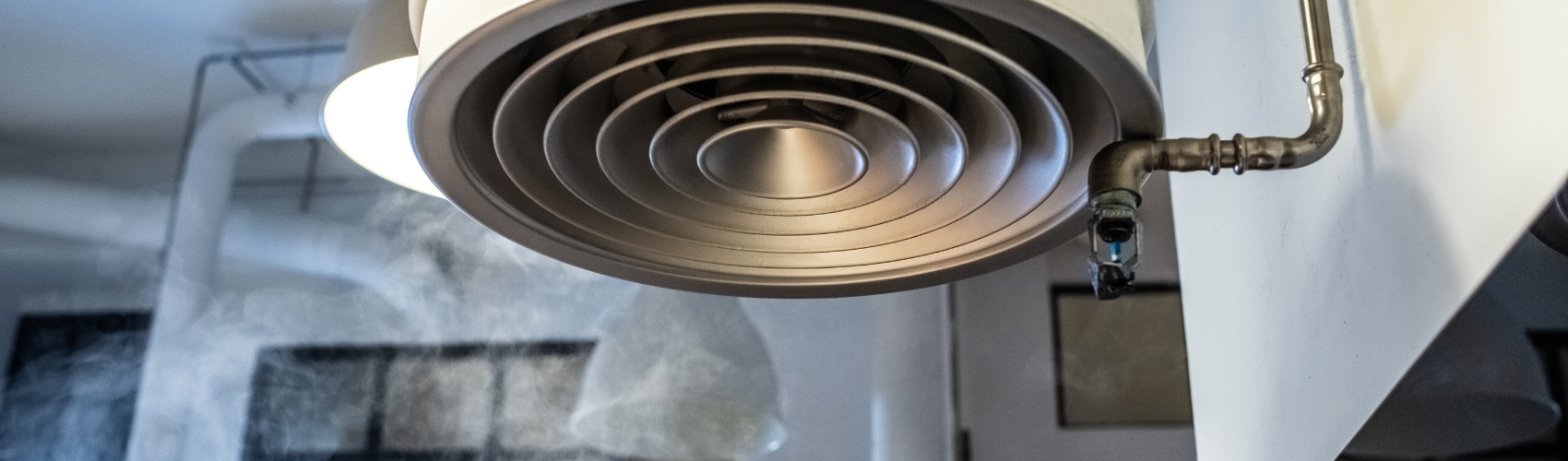
How to Clean a Commercial Extractor Fan
Extractor fans are the unsung heroes of commercial kitchens, restaurants, and workplaces. They whisk away smoke, steam, grease, and odours, keeping the air safe and breathable for staff and customers. But when they’re not properly cleaned, they quickly become clogged, inefficient, and even dangerous.
If you run a business that relies on commercial extraction — whether that’s a restaurant, café, pub, or food production facility — understanding how to clean your extractor fan (and when to call in professionals like The Sweeping Company) is crucial. Not only will it save you valuable time, but it also ensures you remain compliant with fire safety and insurance regulations.
Why cleaning your commercial extractor fan matters
Extractor fans do more than make your kitchen comfortable to work in. A clean system:
- Improves air quality and reduces odours
- Prevents grease buildup that could become a fire hazard
- Ensures compliance with insurance and TR19 fire safety standards
- Extends the life of your fan and ductwork, reducing costly breakdowns
- Keeps your energy bills under control
Trying to stay on top of this in-house can be a drain on staff time, and worse, you might not achieve a compliant clean. The Sweeping Company takes this burden off your shoulders, providing professional, fully certified cleaning that ticks every compliance box.
How to clean a commercial kitchen extractor fan
Cleaning a commercial extractor fan is very different to giving a bathroom fan a quick dust. These systems deal with heavy grease and oil vapour, so the process is time-consuming and far more complex. That’s why many businesses opt for professional extractor fan cleaning instead.
Here’s what can safely be done in-house, between professional cleans:
- Switch off the system – Always isolate the fan before attempting any cleaning.
- Remove and clean the filters – Baffle filters or metal mesh cooker hood filters should be soaked in hot, soapy water or a degreasing solution, then dried before refitting. If you’re wondering how to clean extractor fan filters or how to clean a metal mesh cooker hood filter, this is your step.
- Wipe down accessible areas – Use a food-safe degreaser on the canopy and surfaces.
- Check for grease buildup – If grease is visible on blades or ducting, it’s time to book a professional clean.
Anything beyond this, such as cleaning ductwork or dismantling the fan casing, is both time-consuming and risky. Attempting it without proper equipment and certification could leave your system non-compliant. Our team at The Sweeping Company has the tools, training, and certifications to complete the work quickly and correctly.
How do you clean the inside of an extractor fan?
Grease doesn’t stop at the surface — it builds up inside the fan casing and ductwork. A full clean involves:
- Disassembling the fan unit
- Degreasing blades and casing with commercial-grade products
- Inspecting motors and components for damage
- Cleaning ductwork with rotary brush systems or extraction vacuums
This is not a task you want your kitchen staff spending hours struggling with, especially when one missed area could leave you non-compliant. Instead, The Sweeping Company provides a TR19-compliant deep clean that saves time and ensures everything is covered.
How to clean the inside of a fan without taking it apart
If you don’t have the training (or insurance) to dismantle your fan, you’re limited to:
- Wiping down the canopy
- Cleaning or replacing filters
- Vacuuming external vents and grilles
While this helps day-to-day, it doesn’t address the internal grease buildup that fire safety inspectors look for. That’s why businesses across the South West rely on The Sweeping Company for scheduled deep cleans.
What are the regulations for commercial kitchen extraction cleaning?
UK businesses must comply with TR19® Grease guidance, which sets the standard for kitchen extraction cleaning. Insurers require proof of TR19 compliance — including certificates and photographic reports.
This means a quick DIY clean isn’t enough. Without professional certification, your insurance could be invalidated after a fire. The Sweeping Company provides full TR19 certification, so you have the paperwork to show your system is safe, compliant, and properly maintained.
How often should an extractor fan be cleaned?
The required frequency depends on kitchen usage:
- Heavy use (12–16 hours per day) – Every 3 months
- Moderate use (6–12 hours per day) – Every 6 months
- Light use (2–6 hours per day) – Every 12 months
Extractor fan filters, however, may need cleaning weekly. For busy kitchens, this can become time-consuming fast. By partnering with The Sweeping Company, you can set up a maintenance contract that ensures every clean is carried out on schedule, with no last-minute scrambles.
Common mistakes when cleaning extractor fans
Even with the best intentions, in-house cleaning often falls short. Common mistakes include:
- Using domestic cleaning products that can’t cut through heavy grease
- Forgetting to clean or replace filters often enough
- Spending hours dismantling fans without the right training
- Ignoring ductwork — the very place most grease fires start
- Failing to document cleans for compliance
Professional extractor fan cleaning: One less thing to worry about
Extractor fans are critical to your business, but they’re also time-consuming and complex to clean properly. While you can handle filter washing and basic wipe-downs, the inside of your system requires professional attention.
By choosing a professional extractor fan cleaning, you’ll save your staff hours of unproductive work, avoid compliance risks, and keep your kitchen safe and efficient. Our certified TR19 cleaning services mean your extractor fans are always up to standard, with paperwork to back it up when inspectors or insurers ask.
Don’t risk a fine — or worse, a fire — by struggling through a DIY clean. Book your professional extractor fan cleaning with The Sweeping Company and keep your business safe, compliant, and running smoothly.


